
Three ways to put your operations on autopilot.

What I build, what it looks like in practice, and the packages to get there. Every engagement ends with a documented system your team can run.

Your team isn't slow. The process is badly wired.

Most businesses already own the right tools. The problem is what happens between them: someone copies data from an email into a spreadsheet, checks a dashboard every morning, and remembers the weird exception because it was never written down. That isn't operations. It's unpaid glue work.

Copying data between tools
Slow, forgotten follow-ups
Missed leads and requests
Spreadsheets nobody trusts
The same emails, again
Tools that don't talk

Automation built around real workflows.

I map the work first, then build systems that connect the tools your business already runs on.

Business Process Automation

If the process is predictable, it can be systemized. Lead routing, CRM updates, reports, approvals, onboarding. The work that happens over and over, built once and handled by a system.
  • Lead routing and follow-up sequences
  • Reports, approvals, and data syncing
  • Internal admin workflows built to hand over

AI Workflow Automation

AI isn't useful because it can chat. It's useful when it sits inside a workflow, reading, classifying, summarizing, routing, and triggering the next step on real business context.
  • Email, ticket, and request triage
  • AI agents connected to tools and APIs
  • Drafting and summaries with human review

Document Processing & OCR

If your team opens PDFs just to copy fields somewhere else, that process is begging to be automated. Unstructured documents in, structured data your systems can use out.
  • Invoice and form extraction
  • OCR for scanned documents
  • Validation, with review flags for edge cases

Internal Knowledge Systems

Your answers already exist, buried in folders, tickets, chats, and old notes. I build retrieval systems and assistants that make internal knowledge searchable and usable.
  • AI assistants grounded in your documents
  • Vector search with Postgres and pgvector
  • Answers with sources your team can check

API Integrations

Your tools shouldn't need a human translator. I connect systems through APIs, webhooks, and scheduled jobs so data moves cleanly from one place to another, with error handling.
  • CRM and SaaS-to-SaaS connections
  • Webhook flows and scheduled sync jobs
  • Error handling, retries, and logging

Self-Hosted Automation Infrastructure

Not every workflow belongs in a random SaaS account. When privacy, control, or cost matters, I build the automation stack on infrastructure you own and understand.
  • Self-hosted n8n on Docker and Linux
  • Nginx, TLS, Postgres, and backups
  • Monitoring, logs, and secure access

Custom Systems

Sometimes nothing off the shelf fits the problem. When that happens I spec the process properly and build the system from scratch: an admin system, a dashboard, an internal tool that does exactly the job, without a hundred settings nobody touches.
  • Deep discovery of the problem and the process
  • Admin systems, dashboards, and internal tools
  • Built to hand over, with documentation and training

Websites & Landing Pages

A website isn't a brochure, it's the front door to a process. A landing page that brings the enquiry in, a site that explains what you actually do, delivered finished and wired into the automations running behind it. This site is one example, client sites are the rest.
  • Marketing sites and landing pages that convert
  • Fast, accessible, and built mobile-first
  • Wired to forms, CRM, and follow-up automation

Messy process in. Clean workflow out.

A clear path from where you are to a system your team understands and can operate without me in the room.

  1. Step 01

    Discover

    Look at the actual workflow, not the ideal version of it.

    Team gathered around a table in a discovery workshop, mapping how the real workflow runs today.
  2. Step 02

    Map

    Find the repetitive steps, bottlenecks, and weird exceptions.
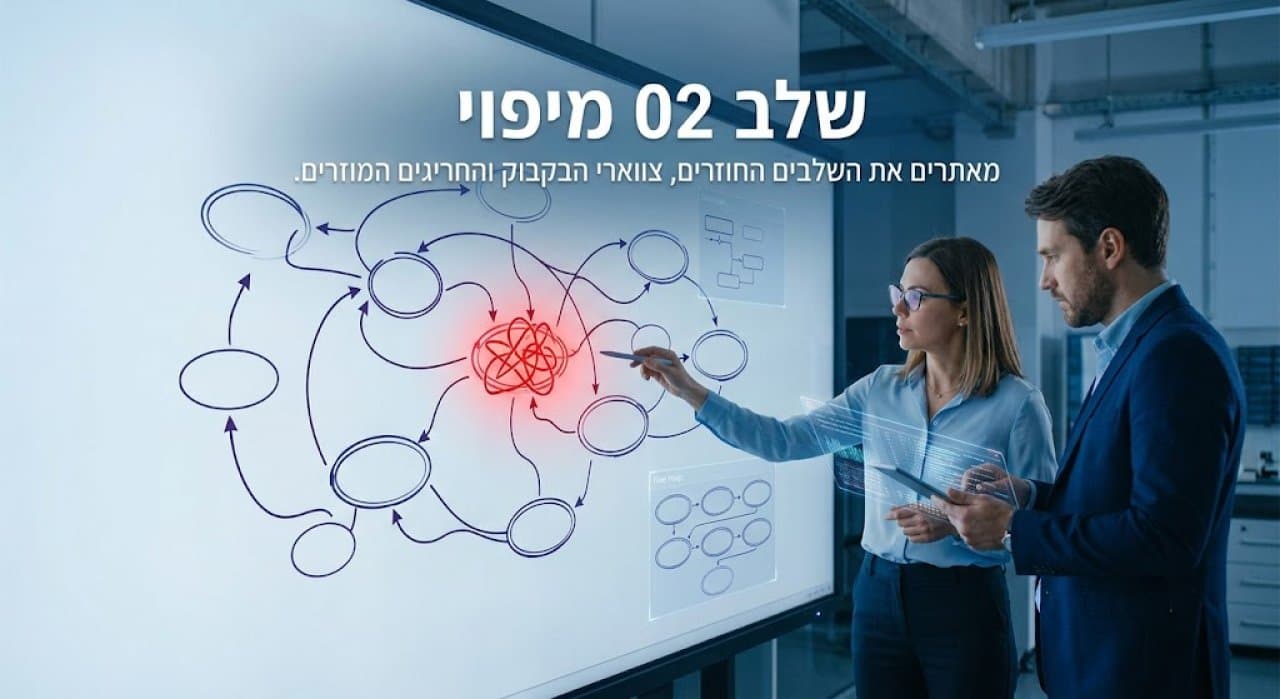
    Two people at an interactive board tracing the repetitive steps, bottlenecks, and exceptions in a process.
  3. Step 03

    Design

    Define the automation flow, ownership, and failure points.

    Colleagues arranging blocks on a lit table to design the automation flow, ownership, and failure points.
  4. Step 04

    Build

    Connect the systems, APIs, and AI steps.
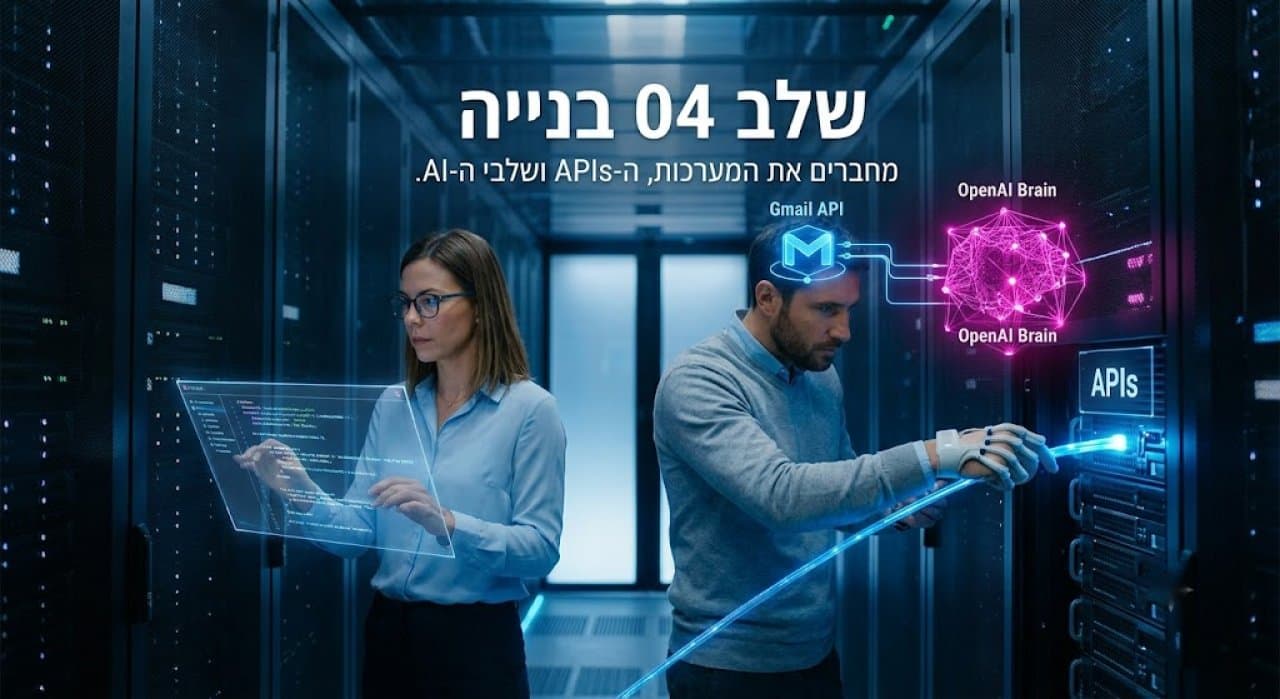
    Engineers in a data center wiring systems, APIs, and AI steps together into one automation.
  5. Step 05

    Test

    If it can't be repeated, logged, and checked, it isn't finished.
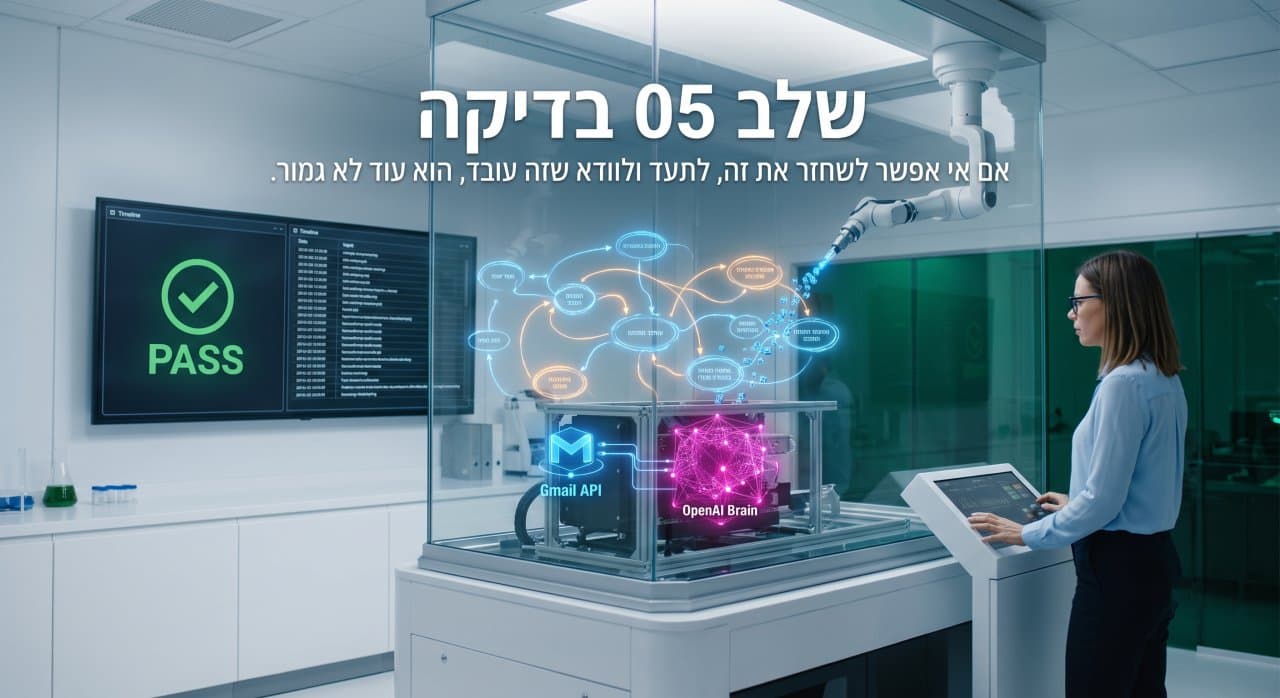
    A lab dashboard showing a passing test run as the automation is repeated, logged, and verified.
  6. Step 06

    Handover

    Document, train, and hand over a system your team can run.

    A team handing over a finished, documented automation the client can run on their own.
A system your team owns and runs

Pick the level of support you need.

Whether you want clarity, a done-for-you build, or an ongoing partner. Start where it makes sense.

Start with clarity

Automation Blueprint

A focused audit and roadmap for teams that want clarity before committing to a build.

Free

A 30-minute diagnosis call, no strings attached.

Duration30 min

Includes:

  • Discovery call and workflow audit
  • Opportunity map with priority scoring
  • Recommended tools, integrations, and roadmap
Most popular

Automation Buildout

Done-for-you implementation of your highest-leverage automations, tested and handed over.

Custom

Scoped after the diagnosis, with a clear proposal and timeline.

HandoverFully documented

Everything before, plus:

  • Workflow design and full automation build
  • App, API, document, email, and AI steps
  • Testing, documentation, and a walkthrough
Ongoing support

Automation Partner

Ongoing support for teams that want continuous improvement and priority delivery.

Monthly

Ongoing support, no long lock-in.

AvailabilityOngoing

Everything before, plus:

  • Monthly automation roadmap
  • Monitoring, fixes, and new requests
  • Strategic automation and AI guidance

Projects are scoped on workflow complexity, tools, timeline, and support. Your free audit comes with a concrete number.

Ready to find what your business can automate first?

Tell me what's repetitive, messy, or slow. I'll review the workflow and suggest the first automations worth building.

Explore services